
Getting Started
Why more drivers are making the switch
Electrified Toyotas are some of our most popular vehicles on the lot. Lower fuel costs, fewer maintenance visits, and a quieter, smoother ride are just the start.
Whether you're EV-curious or ready to make the leap, we will walk you through the basics: the different types of electrified vehicles, how charging works, what it costs to charge at home, and answer the questions we hear most.
Shop Electric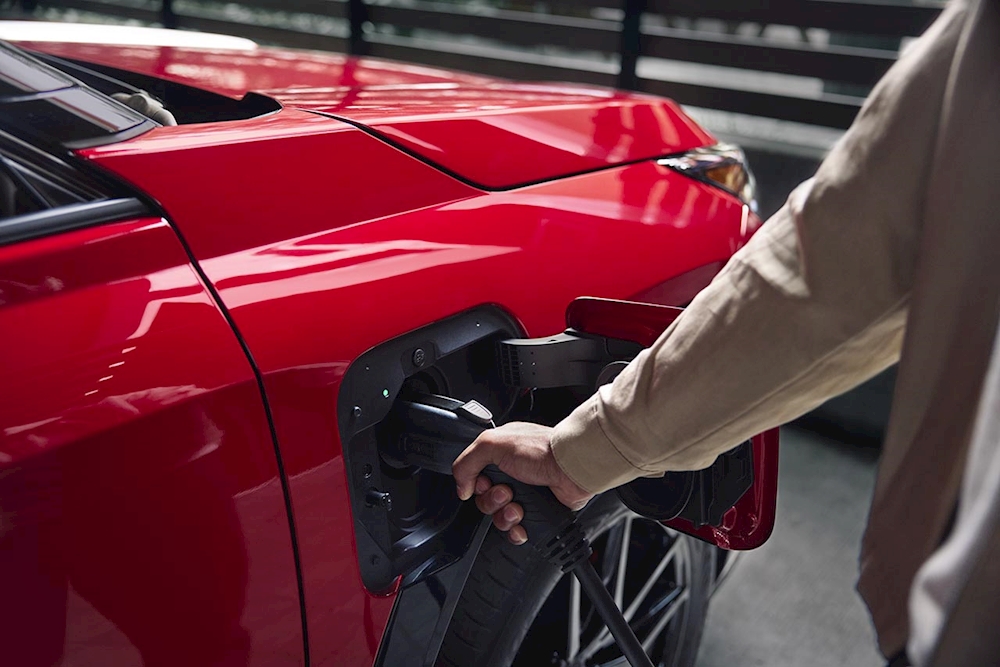
EV 101
Hybrid, plug-in hybrid, or all-electric: what's the difference?
"EV" gets used as a catch-all, but there are three distinct types of electrified vehicles.
| Hybrid (HEV) | Plug-in Hybrid (PHEV) | All-Electric (BEV) | |
|---|---|---|---|
| How it's powered | Gas engine plus battery, recharges itself, no plug needed | Gas engine plus larger battery, plug in for electric-only miles | Battery only, no gas engine, plug in to charge |
| Electric-only range | Very short, low-speed bursts | ~20–40 miles before the gas engine takes over | 200+ miles on a full charge |
| Charging required | No | Optional, but recommended for full benefit | Yes, home or public charging |
| Best for | Drivers who want better fuel economy with zero change in routine | Drivers with a short commute who still want a gas backup for road trips | Drivers ready to go fully electric |
Charging Basics
Level 1, Level 2, or DC fast charging: explained
Charging speed depends on the plug you use. Here's what to expect from each.
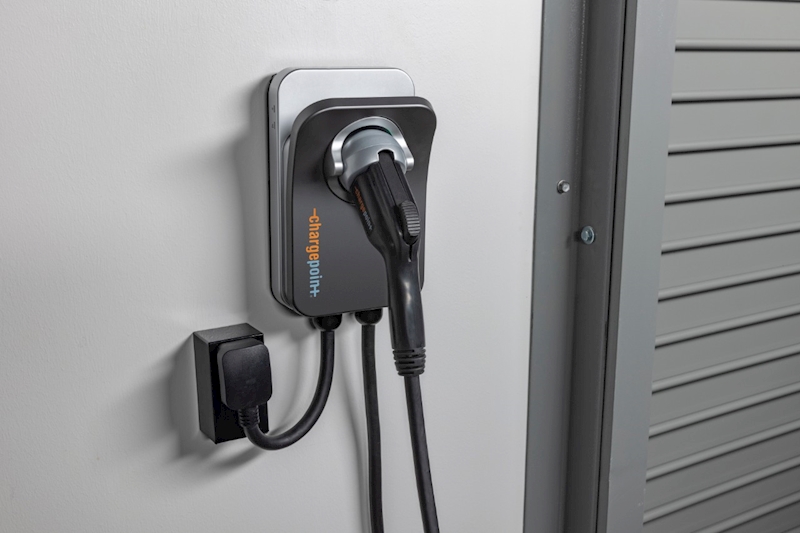
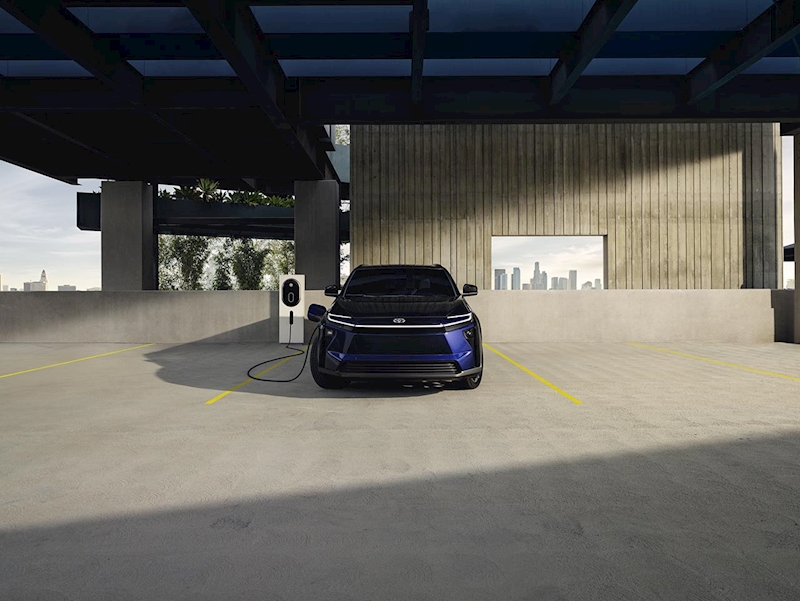
Toyota's Official Home Charging Partner
Home charging made easy with Treehouse
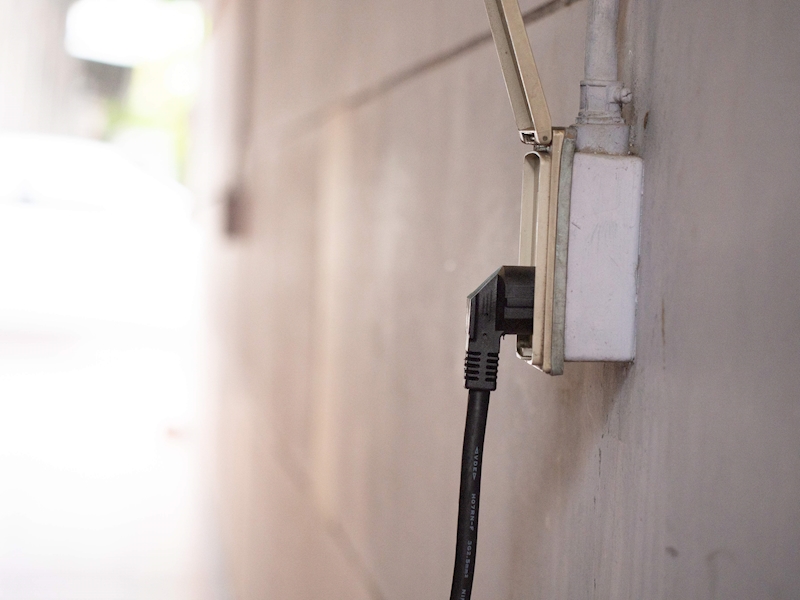
Treehouse operates Toyota's nationwide home charging program, making at-home EV charging simple from quote to install.
Treehouse handles the entire process, from identifying the right charging setup for your home, to permitting, to installation, and can even help identify rebates and incentives you may qualify for.
Streamlined installation
One team manages everything, from your initial quote through final install.
Real charging expertise
Talk with an electrical expert about the best setup for your home.
Help finding savings
Treehouse can help identify incentives and handle rebate applications.
Financing available
Flexible payment options so you can spread the cost over time.
For full pricing, charger options, and to get a free installation quote, visit the Toyota x Treehouse landing page.
Get StartedCommon Questions
Frequently asked questions
Treehouse is Toyota's independent home charging partner. Treehouse is a licensed electrical contractor; installation availability, pricing, and incentives vary by location and are subject to change. Contact Treehouse directly at hello@treehouse.pro or 323-577-6795 with installation-specific questions.